
10 Essential Tips for Building an Energy‑Efficient Greenhouse in the UK

 Feb 23,2026
Building an energy‑efficient greenhouse is one of the best investments for gardeners looking to save on heating costs and reduce their carbon footprint. With the UK’s cool and often unpredictable climate, designing a greenhouse that conserves energy while maintaining ideal growing conditions is both practical and sustainable.
This guide covers ten proven strategies to make your greenhouse as eco‑friendly and efficient as possible.
1. Choose the Perfect Location
A greenhouse thrives on sunlight. Position yours where it receives maximum south‑facing light exposure throughout the day. Avoid shaded areas—especially those near fences or tall trees—and consider shielding from prevailing winds using hedges or screens.
A good location alone can reduce heating needs by up to 30%.
2. Invest in Proper Insulation
Insulation is key to retaining heat. Use twin‑wall polycarbonate panels or double‑glazed glass for better thermal performance. During winter, adding greenhouse bubble wrap insulation can help maintain stable temperatures and cut energy loss significantly.
Tip: Bubble wrap with larger air pockets insulates better and allows more light transmission.
3. Optimize Airflow and Ventilation
While sealing warmth in is important, your plants also need ventilation. Too much humidity leads to mildew and rot. Use roof vents, louvre vents, or solar‑powered fans to maintain natural airflow. An automatic vent opener is ideal for regulating temperature changes without manual effort.
4. Go Renewable with Heating
For colder months, choose renewable solutions such as solar water heaters, compost heat sources, or biomass boilers. These systems provide steady warmth while minimizing carbon emissions. Pair them with a thermostatic controller for efficient temperature management.
5. Use Thermal Mass for Heat Retention
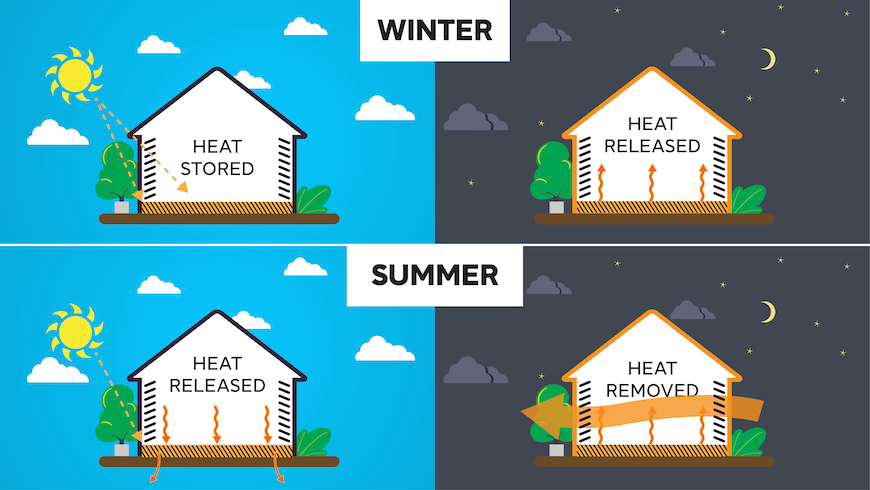
Implement thermal mass materials like water barrels, stone slabs, or concrete blocks. These absorb excess heat during the day and release it gradually at night, maintaining steady warmth without extra electricity.
Example: Four large water barrels can raise overnight greenhouse temperatures by up to 3°C.
6. Seal Gaps to Prevent Heat Loss
Even small gaps can leak valuable warmth. Inspect joints, window edges, and door frames for cracks. Use weatherstripping or silicone sealing to stop unwanted drafts. Proper sealing can reduce heating costs by as much as 10–15%.
7. Switch to LED Grow Lights
LED grow lights are not only energy‑efficient but also full‑spectrum, giving your plants the ideal light for photosynthesis. Unlike halogen or fluorescent lamps, LEDs emit less heat and last over 50,000 hours—perfect for sustainable greenhouse lighting.
8. Automate Temperature and Humidity Control
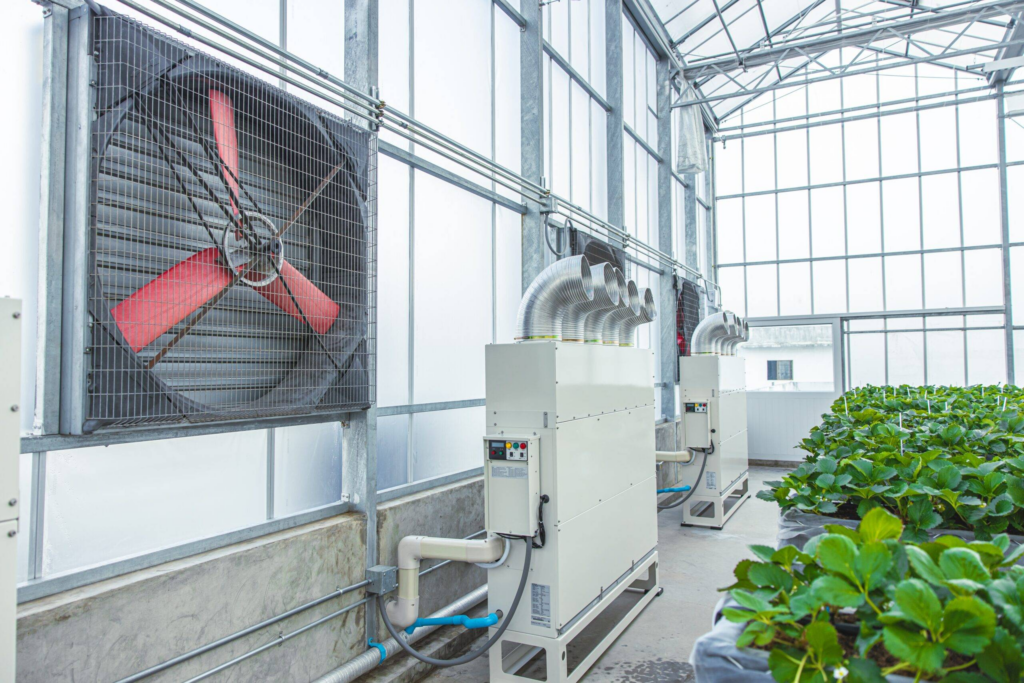
Smart greenhouse systems help manage conditions automatically. Use digital thermostats, smart plugs, and humidity sensors to maintain stable environments. Automation prevents energy waste and ensures your plants stay within the perfect growth range.
9. Harvest Rainwater for Sustainability
Install gutter systems and a rain barrel to collect water from your greenhouse roof. This natural irrigation method saves money and supports eco‑friendly gardening. A typical UK greenhouse can collect hundreds of litres of rainwater per month.
10. Choose Sustainable Construction Materials
For a truly green greenhouse, source materials responsibly. Opt for:
- FSC‑certified timber
- Recycled aluminium frames
- Recycled glass or polycarbonate panels
These choices reduce the environmental impact and contribute to a longer‑lasting structure.
Final Thoughts
An energy‑efficient greenhouse is more than a cost‑saving project—it’s a step toward sustainable living. By combining smart design, renewable energy, and automation, UK gardeners can enjoy greener growth all year round while helping the planet.
At Kruzi.co.uk, we believe every garden can be sustainable with the right setup and tools. Start small, improve year by year, and watch your eco‑garden thrive.
References
- Royal Horticultural Society (RHS). “Greenhouse Gardening: Energy Efficiency Tips.” rhs.org.uk
- Energy Saving Trust UK. “Renewable Heating and Low Carbon Solutions.” energysavingtrust.org.uk
- The Greenhouse People UK. “Insulating a Greenhouse – What Works Best.” greenhousepeople.co.uk
- National Allotment Society. “Water Harvesting and Sustainable Growing.” nsalg.org.uk
- Department for Energy Security and Net Zero (UK Gov). “Building Energy‑Efficient Structures.” gov.uk